Data-Driven Risk Management: The Future is Here
The era of reactive risk management waiting for a crisis to occur before formulating a response is officially over.
Read MoreMay 27, 2024
In recent years, the importance of educational background verification has gained significant traction in Nigeria, serving as a crucial mechanism to uphold academic integrity. This document explores the necessity of verifying educational credentials, the challenges faced in the process, and the implications for individuals and institutions. By ensuring that academic qualifications are authentic, Nigeria can foster a culture of trust and accountability in its educational system.
 Introduction
Educational background verification is the process of confirming the authenticity of an individual's academic qualifications. In Nigeria, where the education sector has faced numerous challenges, including certificate forgery and misrepresentation, this verification process has become essential. It not only protects the integrity of educational institutions but also ensures that employers and society at large can rely on the qualifications presented by job seekers.
 The Importance of Educational Background Verification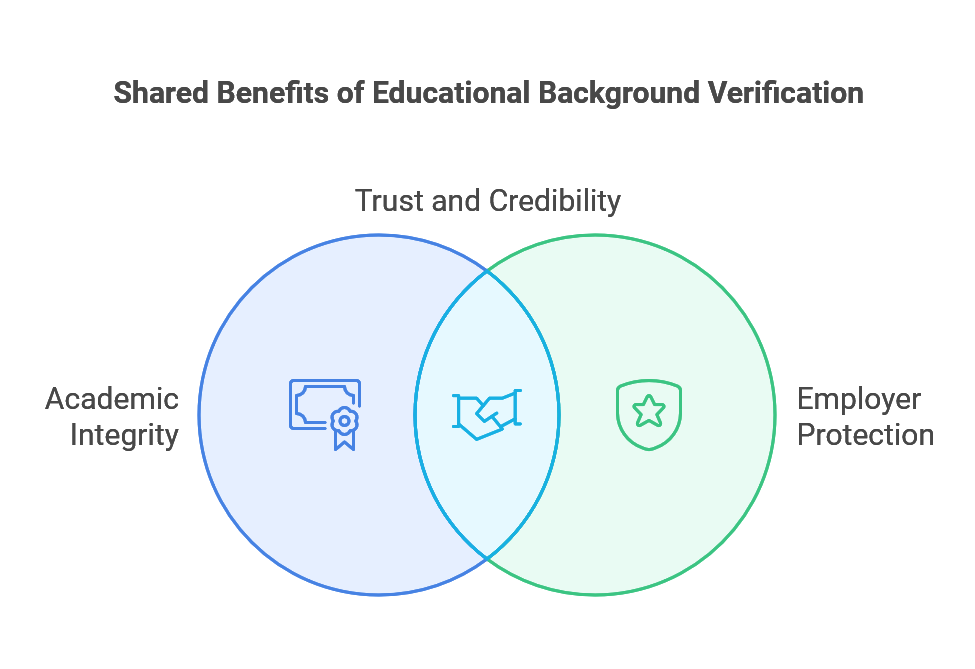
 Challenges in Educational Background Verification
Despite its importance, several challenges hinder effective educational background verification in Nigeria:
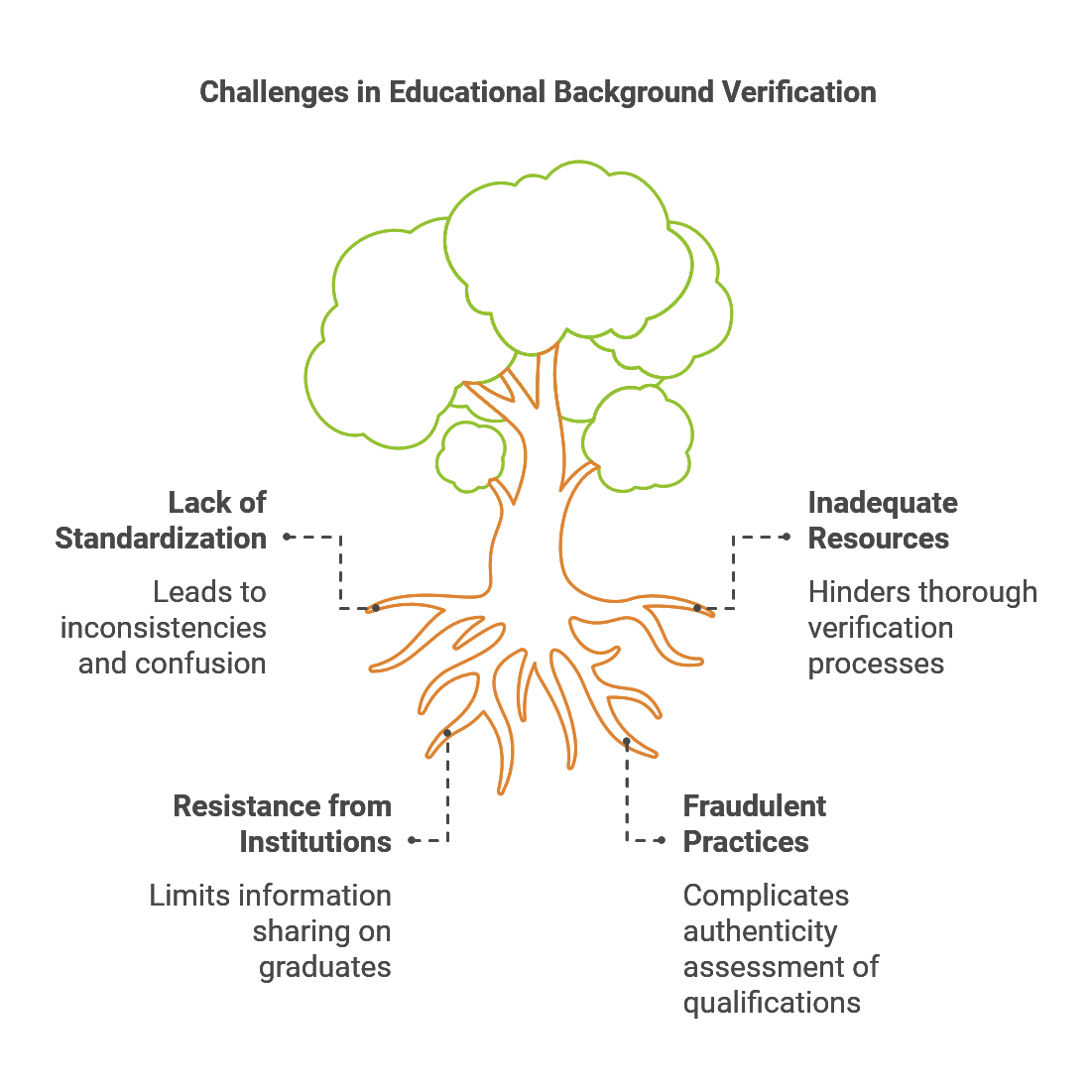
For individuals, the consequences of presenting false educational credentials can be severe, including job loss, legal repercussions, and damage to personal reputation. For institutions, failing to implement effective verification processes can lead to a decline in credibility and trust, ultimately affecting enrollment and funding.
Educational background verification is a vital component of academic integrity in Nigeria. By addressing the challenges associated with the verification process and implementing standardized practices, the country can enhance the credibility of its educational system. This, in turn, will foster a culture of trust and accountability, benefiting individuals, employers, and society as a whole. As Nigeria continues to develop, prioritizing educational integrity through effective verification will be essential for sustainable growth and progress.
Security Consulting
The era of reactive risk management waiting for a crisis to occur before formulating a response is officially over.
Read More
Security Consulting
For businesses in Nigeria and across the globe, understanding and mitigating physical risks has never been more critical.
Read More.jpg)
Protective Intelligence
Should ordinary citizens take up arms to defend themselves? On the surface, it seems a simple, visceral answer to a complex problem.
Read More